Fujifilm X100VI: The Best Travel Camera I’ve Ever Used
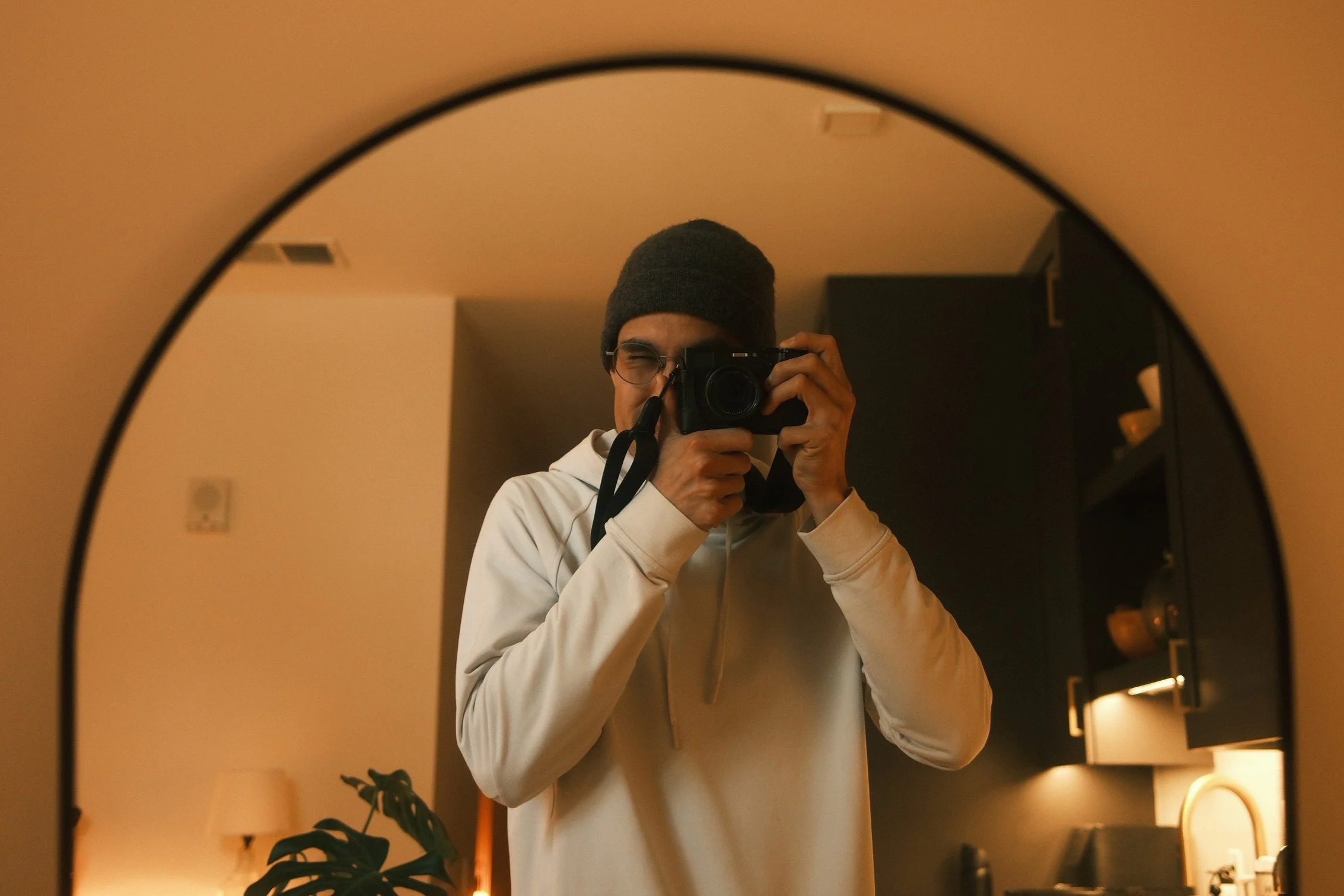
I didn’t think I needed another camera.
I’ve shot on Canon, Nikon, and Sony over the years, mostly Sony for a long stretch. Professional bodies, interchangeable lenses, incredible image quality, all the usual things you’re supposed to want. The idea of buying a “hobby camera,” something smaller, simpler, arguably a downgrade on paper, felt unnecessary. Almost wrong.
Then we went to Japan last year.
I brought my Sony a7R III, a 24–70mm lens, extra batteries, and a camera sling. My tried and true solid setup. Also heavy, bulky, and quietly killing my desire to take photos. I didn’t want to carry it all day. I didn’t want to constantly move it in and out of a bag. And when I did shoot, I knew what was waiting for me on the other side. Big RAW files, time at the computer, editing sessions that felt more like work than memory-keeping.
I realized something mid-trip. I wanted a camera that didn’t feel, and look, like work.
That’s when the idea of a smaller, simpler camera stopped feeling like a downgrade and started feeling like a solution. A way to save what I loved about taking photos.
Why the X100VI Changed Everything

Road trip pit-stop at Seven Magic Mountains in Las Vegas, NV. Photo by David Wong.
Around the same time, the Fujifilm X100VI was announced, immediately followed by internet chaos, out-of-stock notices, and waitlists. I hadn’t shot Fujifilm before, but I’d heard the rumors.
Fujifilm is one of the few modern camera companies still deeply rooted in film. Not just as a nostalgic aesthetic, but as actual color science. Decades of film development show up in their in-camera film simulations and the community-driven “film recipes” people swear by.
For me, that solved multiple problems at once:
Smaller, lighter camera
No interchangeable lenses to overthink
JPEGs I actually like straight out of camera
Less editing, more shooting, more remembering
And the biggest surprise of all? This thing is light.
Coming from a Sony Alpha body with a 24–70mm, the X100VI feels almost unreal. I can wear it all day without thinking about it. The fixed pancake lens doesn’t stick out. It doesn’t announce itself. It just comes along.
That alone makes it the best travel camera I’ve ever used.
The Accessories I’ve Tried (And What Actually Stuck)
I went down the accessory rabbit hole pretty quickly, especially since I was new to Fujifilm entirely. Some things were essential. Some were helpful. A few sounded good in theory and didn’t survive real use.
Here’s my honest breakdown, especially through the lens of travel and road trips.
1. Lens Hood with Adapter Ring Set
Why I bought it: Mostly for the adapter ring.
Coming from Sony, I was genuinely confused when I realized that to use a 49mm filter on the X100VI, you first need to attach an adapter ring, then your filter.
The hood itself is fine, but the adapter ring is the real reason this exists.
Verdict:
Useful, but only because it unlocks filter compatibility.
2. PolarPro Shortstache Everyday Filter (49mm)
This is the filter I leave on almost all the time. The Everyday Filter combines:
1/4 Black Mist diffusion for slight softness and nicer highlights
CPL to control reflections and boost contrast
For travel photography, it’s a great combo. It takes the digital edge off without going full dreamy, and the polarization is genuinely useful depending on light and surfaces.
Important to note: If you use this filter, the lens hood above won’t fit over it. Specifically for this filter, I’d stick with PolarPro’s lens hood if you wanted access and functionality.
Verdict:
One of my favorite accessories. Permanently mounted.
3. Screen Protectors (Absolutely Worth It)
I almost skipped this. I’m glad I didn’t.
I put a screen protector on day one, mostly because the camera was hard to get and I wanted to protect it. Not long after, I noticed a tiny crack at the lower edge of the protector. I have no idea when it happened. I don’t baby this camera, but without the protector, that would’ve been the actual screen.
The one I bought came in a 3-pack, which I appreciate because eventually I’ll replace this one.
Verdict:
Cheap insurance. Zero regrets.
4. Fujifilm Leather Case
This one didn’t last.
Fujifilm was running a promotion where they gave this away if you registered your camera. It seemed like a good idea. Extra protection and a classic look.
In practice, it was annoying.
Accessing the USB-C charging port was awkward. Charging the camera while it sat on a desk suddenly felt risky, like it could catch and slide off. Small things, but they add friction. And friction kills enjoyment.
If I had multiple batteries and a dedicated charger from the start, maybe this wouldn’t have bothered me. But I didn’t, and the case came off after a few days.
Verdict:
Nice idea, not my flow.
5. SmallRig L-Shape Handgrip
This took me a while to buy, and I wish I hadn’t waited. I have big hands and usually a Large or XL glove size. The X100VI is very compact, and the body has almost no grip. Coming from Sony, I missed that secure grip and place for your hand to rest immediately.
This solved it. The SmallRig L-shape grip:
Adds real grip
Protects the bottom of the camera
Is Arca-Swiss compatible
That last part matters and makes this a 3-in-1 accessory for me. I use a Peak Design Travel Tripod, so not needing a separate plate is huge. If you use the same tripod, you’ll need to remove the anti-rotation pins on the head. It takes about a minute.
Also worth noting: Most if not all tripod plates will block the battery door if attached directly to the camera body. This grip doesn’t because of the relocation placement of the mounting points at the bottom.
Verdict:
Best accessory I bought for daily use and comfort.
6. SmallRig Thumb Grip
I bought this specifically before a winter trip to New York.
Street photography in freezing temps with lightweight gloves isn’t fun. The thumb grip helped a lot. It also came with a shutter release button, which I’ve been using carefully.
There are reports of people damaging shutter buttons if they catch on something. After cracking my screen protector, I’ve been more cautious. The thumb grip also makes the camera more likely to catch on clothing.
Between this and the L-shape grip, I don’t think I need both all the time.
Verdict:
Situationally useful. Not permanent.
7. Peak Design Leash Camera Strap
I already owned a Peak Design Slide Lite, which I used on the X100VI at first. Switching to the Leash was a small change that made a big difference. It’s lighter, better proportioned to the camera, and still works with the same anchors I use on all my other gear.
Verdict:
Perfect match for this camera.
8. llano NP-W126S Batteries and Dual USB Charger
Before that New York trip, I worried about cold weather battery performance and didn’t want to rely on charging via USB-C during the day. I picked up this third-party battery kit on sale and tested it ahead of time. It performed great, all-day street shooting, no issues.
That said, I don’t expect these to outperform genuine Fujifilm batteries long-term. For professional work, I’d stick with OEM. For this camera and how I use it, they’re totally fine.
Realistically, most people won’t need this. One battery is usually enough for me if I charge overnight.
Verdict:
Nice to have, not essential.
I Didn’t Need a Better Camera. I Needed a Smaller One.
The X100VI didn’t replace my professional cameras. It replaced the friction that kept me from bringing one at all. It’s light enough to carry everywhere, simple enough to stay out of the way, and good enough that I don’t miss my bigger setups. For travel, camping, and road trips, what more can you ask for?
This post is based on personal experience and may contain affiliate links. If you decide to make a purchase through them, we may earn a small commission at no extra cost to you. It helps support future adventures and keeps this blog going.