A Fall Road Trip from Montana to Colorado: Camping Through Idaho and Wyoming
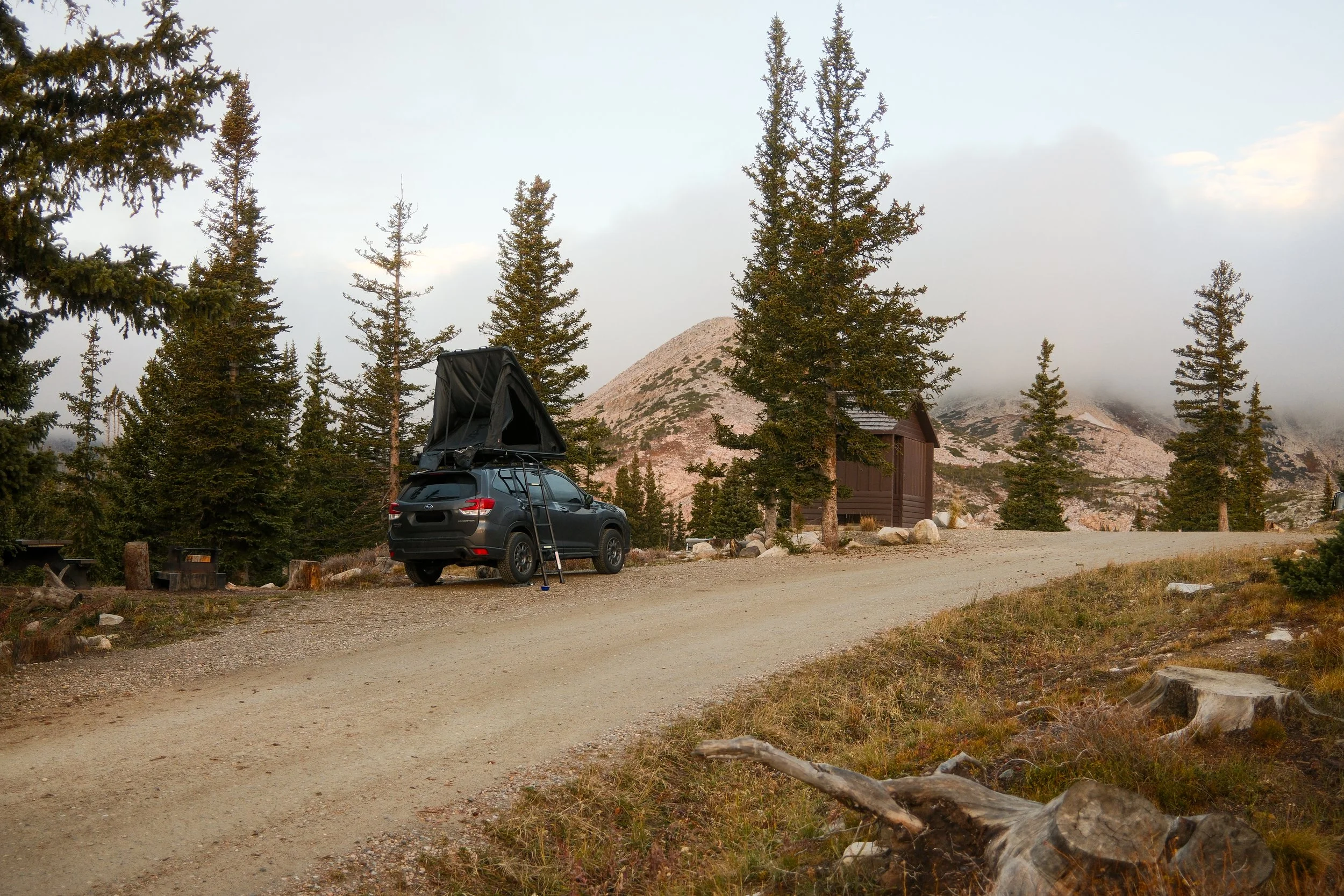
Medicine Bow-Routt National Forest, WY.
After leaving my brother-in-law’s home in Sula, Montana, I started the drive back to Colorado solo with my dog, Bobby, and a loose itinerary. Rather than rushing straight home, I planned two nights of camping along the way: first at a Hipcamp in Idaho, then at Sugarloaf Campground high in Wyoming’s Snowy Range.
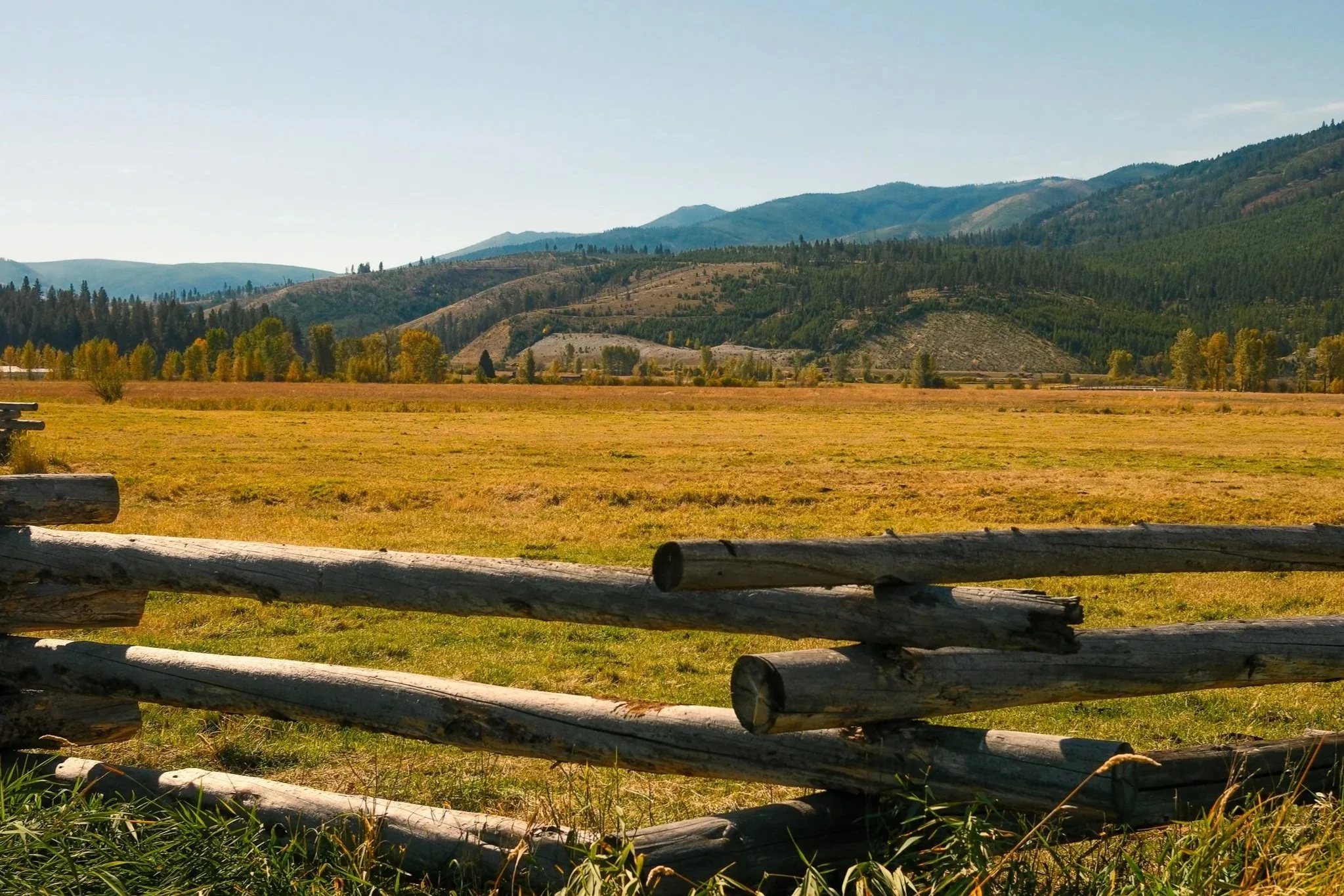
Views from a scenic pitstop leaving Sula, Montana.
It felt less like the return leg of an existing trip and more like the beginning of a new one. Just me, Bobby, the Subaru, and a few long stretches of road through Idaho and Wyoming as the leaves started to change.
Camping at The Park at Swan Valley, Idaho
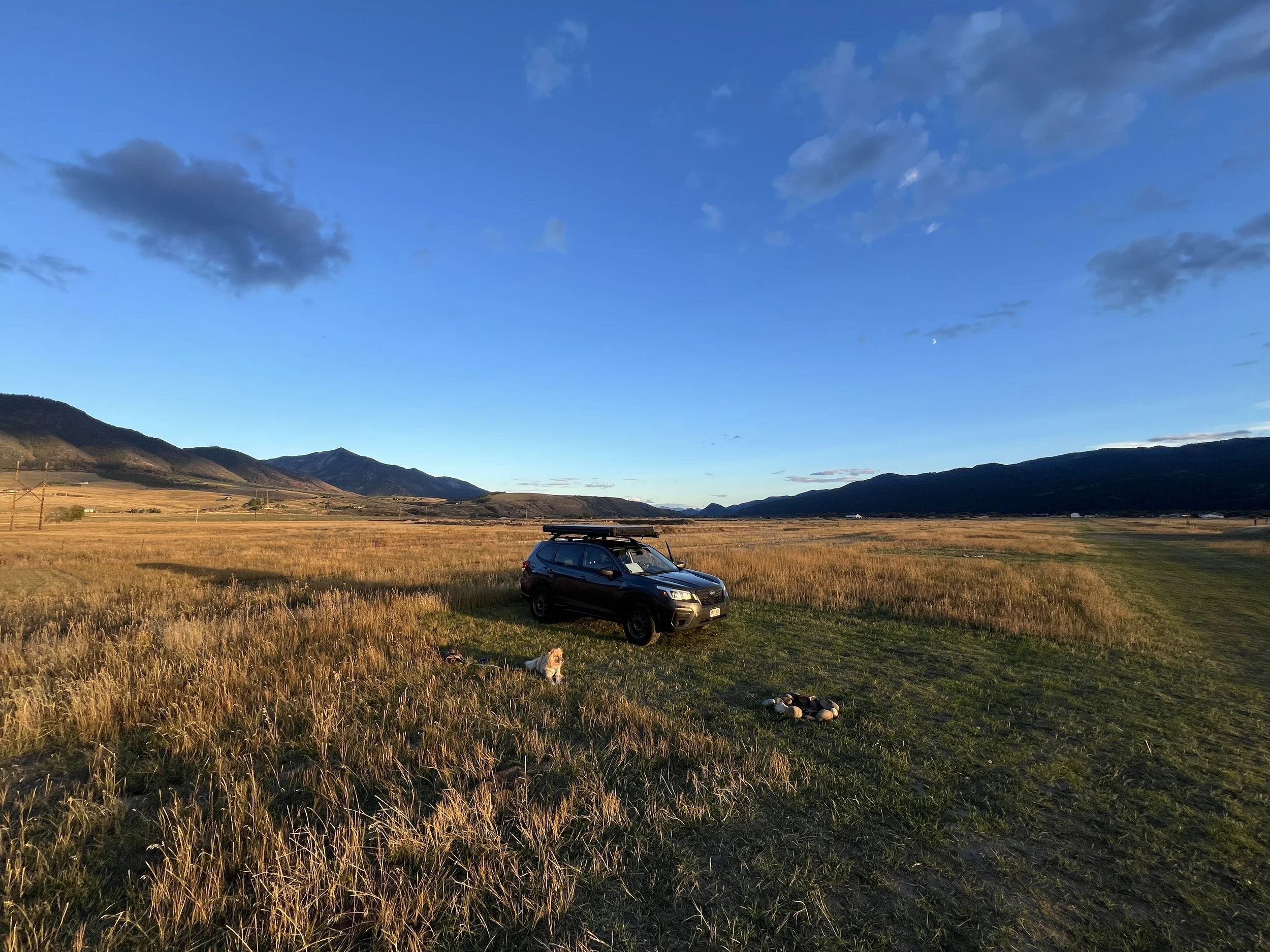
Arriving at The Park at Swan Valley, ID.
My first stop was The Park at Swan Valley, a Hipcamp outside Irwin, Idaho, near the Wyoming border. The property has more than 20 acres of grassy tent-camping space, along with RV sites, bathrooms, showers, and a communal building. It’s also within driving distance of Jackson Hole, Grand Teton National Park, and Yellowstone.
More immediately important to me, there was a grocery store about five minutes away.
Hipcamp Discount Code 2026: $10 in Hipcash credit towards your first trip.
After four or five hours of driving, I was hungry enough to make that my first stop. Grocery shopping while hungry is almost always a mistake, and this trip was no exception. I left with a ribeye steak, a package of tortillas, a pint of ice cream, and an assortment of snacks that made sense only to the version of me wandering those aisles. I packed everything into my Yeti Tundra 45L cooler realizing my mistakes.
The property was essentially one enormous grassy field that felt like it might have been an airstrip in a former life. The campsites were thoughtfully spread out, check-in was straightforward, and there were only a few other campers around that evening.
Under a light rain, I let Bobby run around the open field while I set up the rooftop tent and awning. I kept him nearby with plenty of Milk-Bone MaroSnacks, which remain his preferred form of payment whenever we work on off-leash recall.
Once camp was up, I got started on dinner. Using my Ignik five-pound propane tank and GSI Outdoors Pinnacle cookset (still holding strong after 5+ years), I cooked the ribeye, shared more of it with Bobby than I originally intended, and slapped what remained into a tortilla.
I don’t know if I could call it a taco or burrito, but it was hitting the spot. I have no photos of this meal, so it must have been good.
The temperature was comfortable, the rain eventually eased, and Bobby and I spent the rest of the evening sitting outside under the Idaho sky. Every so often, a horse would call from somewhere beyond the property fence and Bobby would immediately perk up, staring into the darkness as if he had finally been given a job.
Before bed, I set up the Starlink Mini and streamed a show on the iPad from inside the rooftop tent. Camping has a way of making the ordinary feel like luxury.
The next morning, I packed up early and prepared for another six or seven hours on the road.
Fall Colors Along the Snake River
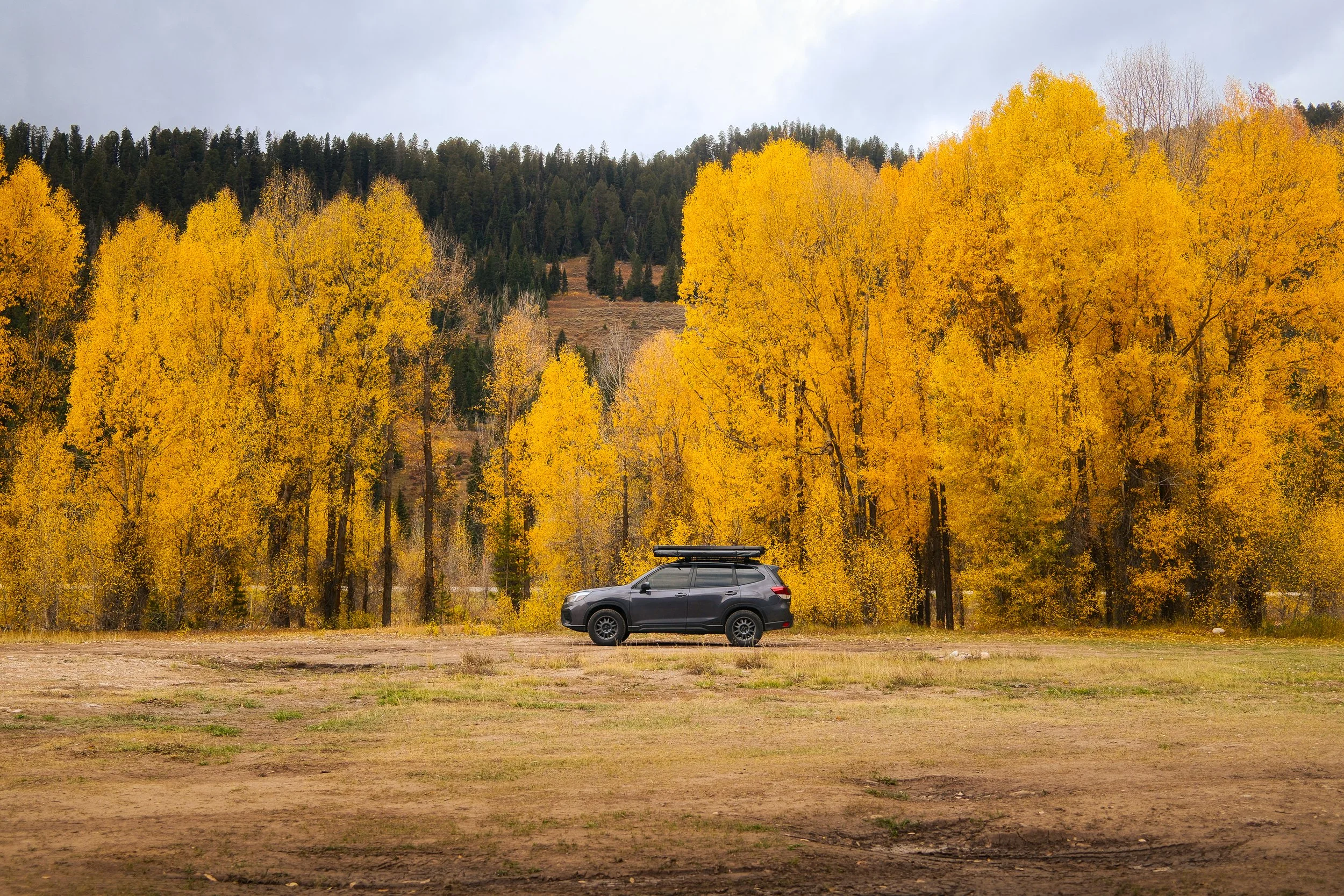
Somewhere along the Snake River in Idaho.
The next part of the drive became one of the most memorable sections of the entire trip.
From Swan Valley, the route followed the Snake River through Idaho and Wyoming. It was September, and the first fall colors were beginning to appear along the water and across the surrounding hillsides.
Colorado gets most of the attention when people talk about fall color in the Mountain West, but this drive gave it some legitimate competition. The mixture of river, mountains, and changing foliage made me want to return with more time and no particular destination.
This time, though, I had somewhere to be. I followed the route through Idaho and Wyoming, eventually connecting with US 191 and continuing toward Saratoga. From there, I turned onto Wyoming Highway 130 and began climbing into Medicine Bow National Forest.
My destination was Sugarloaf Campground.
Arriving at Sugarloaf Campground in the Dark
At 10,800 feet, Sugarloaf Campground is the highest developed campground in the Medicine Bow-Routt National Forest and one of the highest-elevation campgrounds in the country. Its small loop sits in Wyoming’s Snowy Range, surrounded by alpine scenery, lakes, and trailheads.
I didn’t fully appreciate that elevation until later.
I had seen plenty of deer around Saratoga, so I took the climb slowly, watching both shoulders of the road as the daylight disappeared. I arrived after sunset and drove the campground loop twice, trying to choose the most level remaining site among a collection of trailers and camper vans.
The Recreation.gov listing appeared to indicate that I could scan a QR code at the campground and pay through the app. Because I had the Starlink Mini with me, I felt confident that I could get online even if there wasn’t cell service.
There was just one problem: I couldn’t find the QR code.
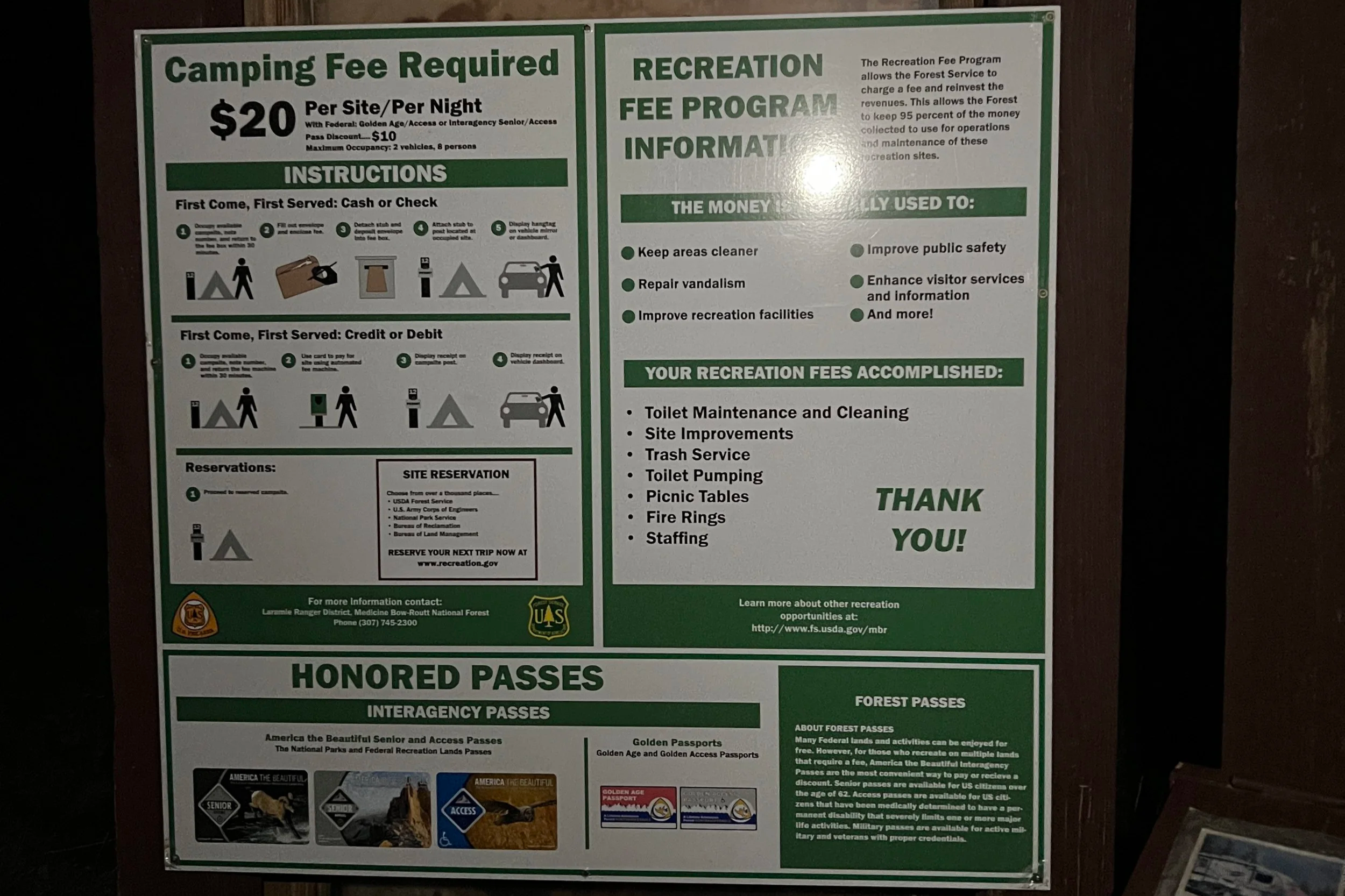
The entrance sign at the campgrounds.
I checked the entrance, returned to my campsite, walked back to the entrance, and searched again. I reread the online information to make sure I hadn’t misunderstood it. Still nothing.
Unable to pay the full fee, and unwilling to drive back down the mountain in the dark, I left a few dollars in the payment envelope with a note explaining the situation. I also called the local Forest Service office and left a voicemail with my name, license plate, campsite, and the length of my stay.
I genuinely wanted to pay. I had simply reached the end of every available option.
At the time, I wasn’t using onX Offroad to locate dispersed camping outside developed campgrounds. Had I known how to find nearby legal alternatives, I probably would have chosen one instead of spending the evening stressed about a missing QR code.
A Very Windy Night in the Rooftop Tent
I made dinner in the dark using the propane tank and cookset, then climbed into the rooftop tent expecting to finally settle in after the long drive.
Instead, the wind started.
Gusts of around 35 mph shook the tent for most of the night. The soft sides rattled continuously, making it almost impossible to sleep for more than an hour at a time even with noise cancelling earphones.
From inside the tent, I developed a new appreciation for every hard-sided trailer and camper van in the campground. They were probably swaying gently. My rooftop tent felt like a cocktail shaker.
By sunrise, I was tired, slightly defeated, and ready to pack up.
Then the sky opened.
Sunrise in the Snowy Range
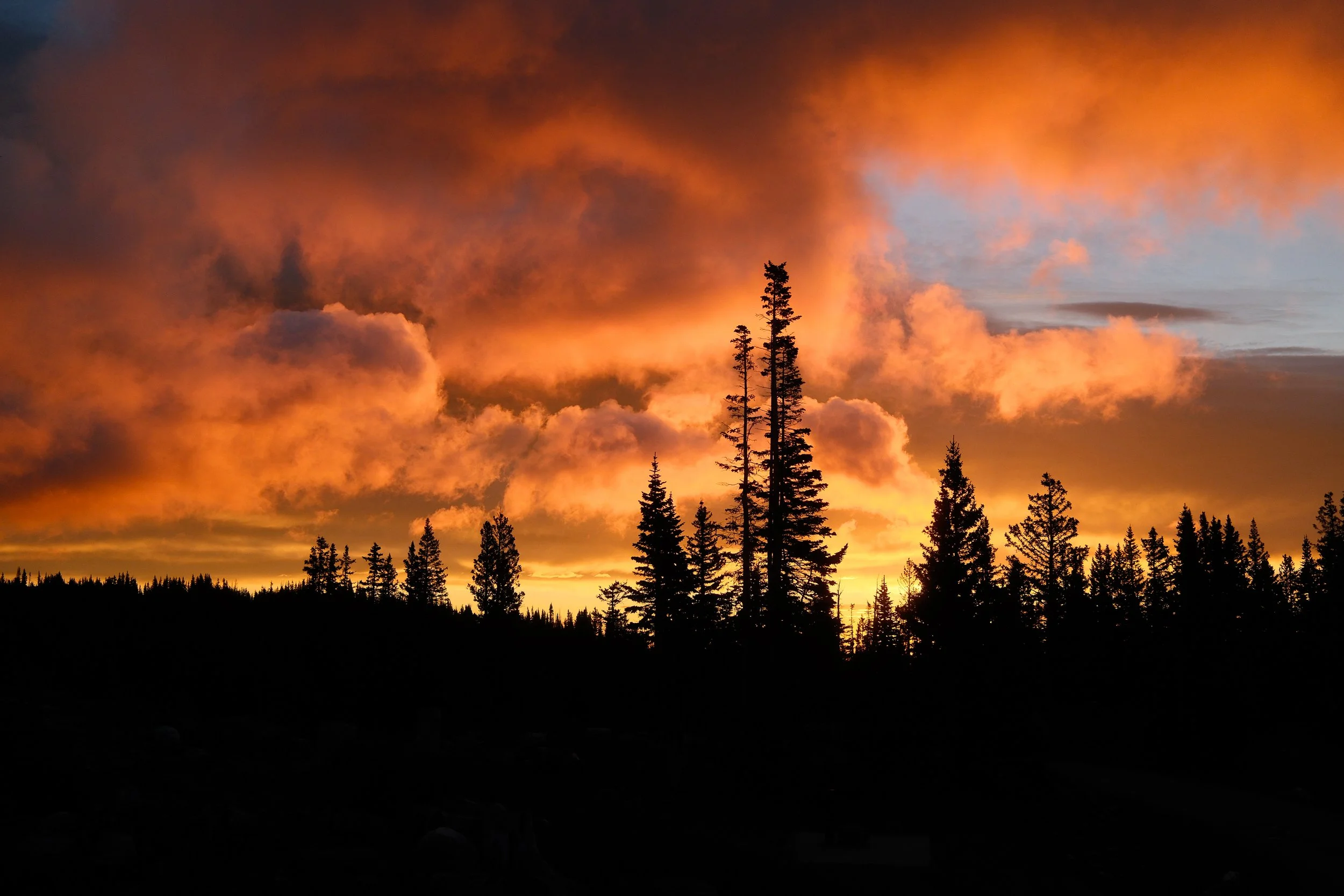
Sunrise revealing the clouds in the morning.
The campground sat at nearly the same elevation as the cloud layer. As the sun came up, it split through the clouds and illuminated the entire Snowy Range.
It was one of the most dramatic sunrises I had ever seen.
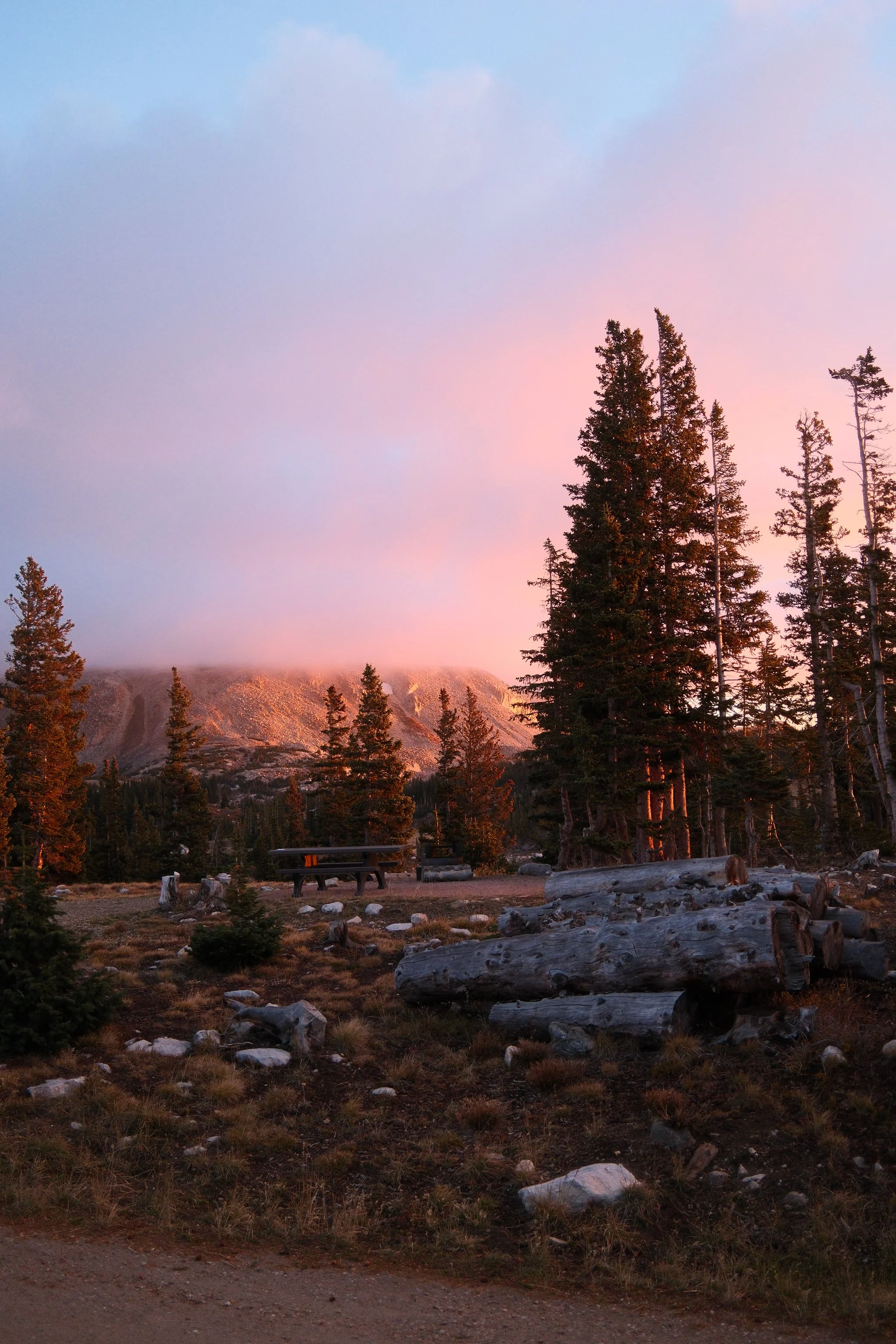
Clouds covering up the peak of the nearest mountain in view.
After spending the night listening to the wind punish the tent, the view felt like the mountain’s version of an apology. Maybe not a sincere one, but I accepted it.
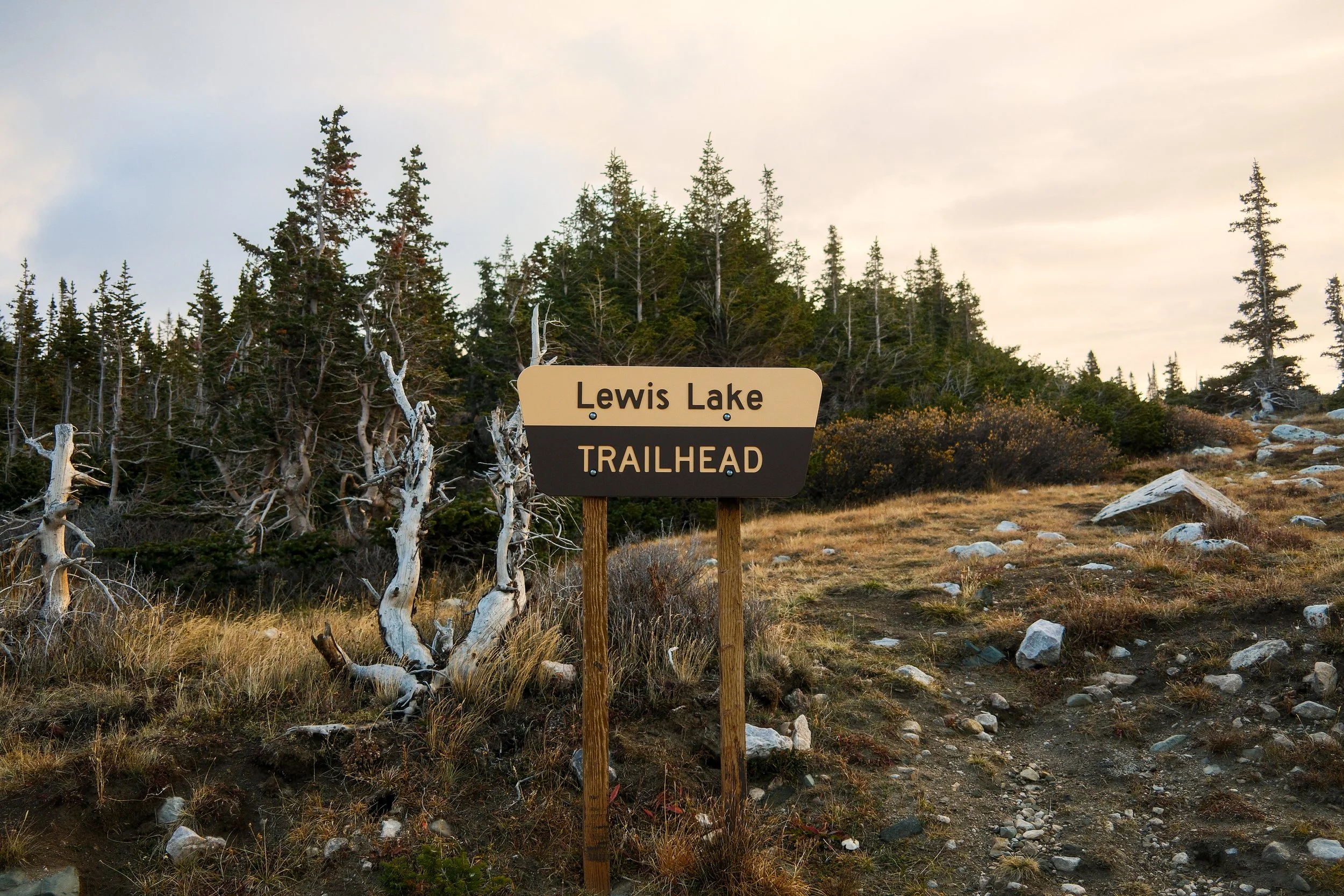
Lewis Lake Trailhead just outside the campgrounds.
I made breakfast, packed slowly, and finally got a proper look at the landscape I had driven into after dark. Nearby were alpine lakes, trailheads, and a day-use area I hadn’t seen the night before. Despite the wind and the campground-payment confusion I immediately knew I wanted to return.
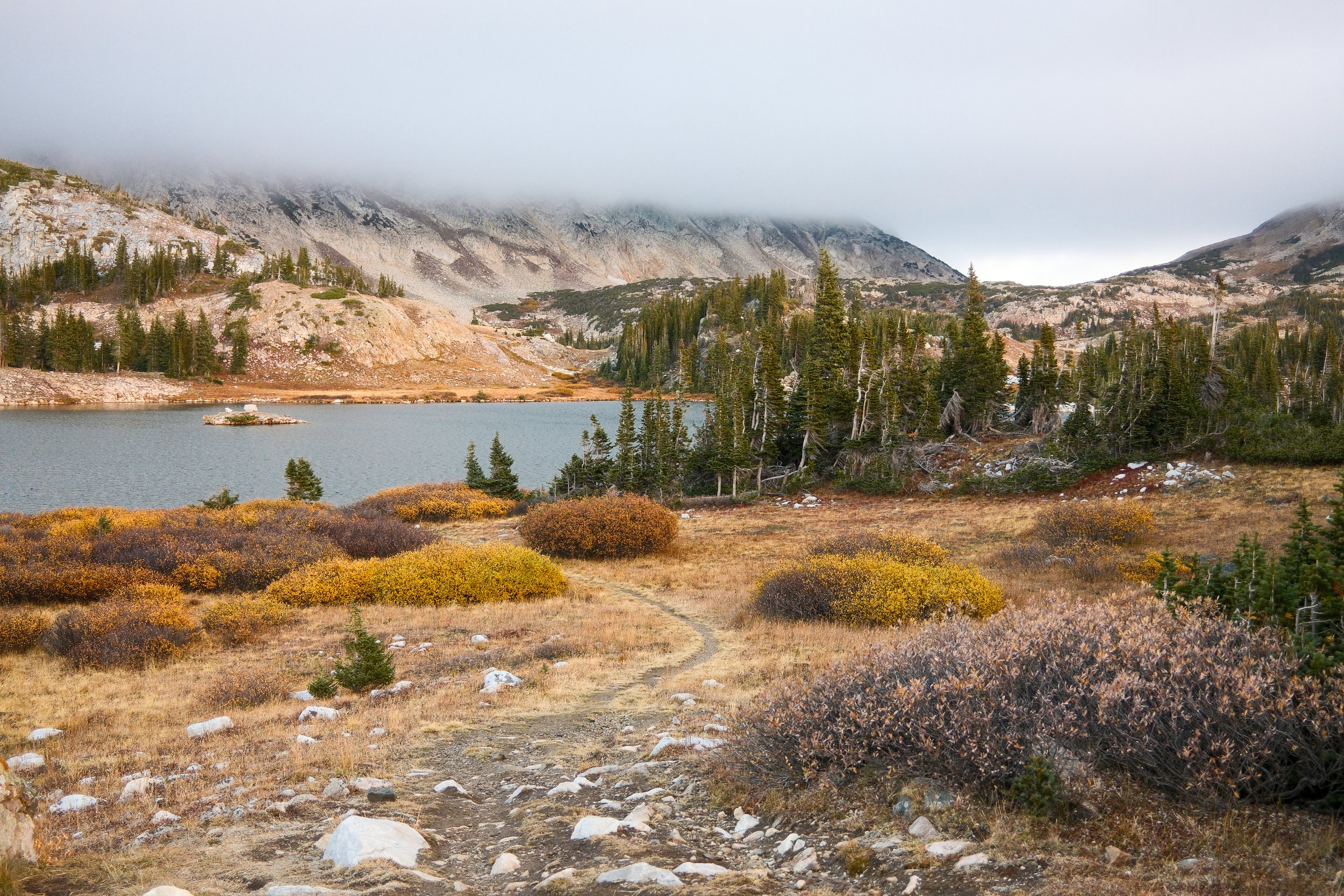
View of the trail towards Lewis Lake in Wyoming.
This was my first, but definitely not my last, experience with high winds in a rooftop tent.
The Final Drive to Colorado
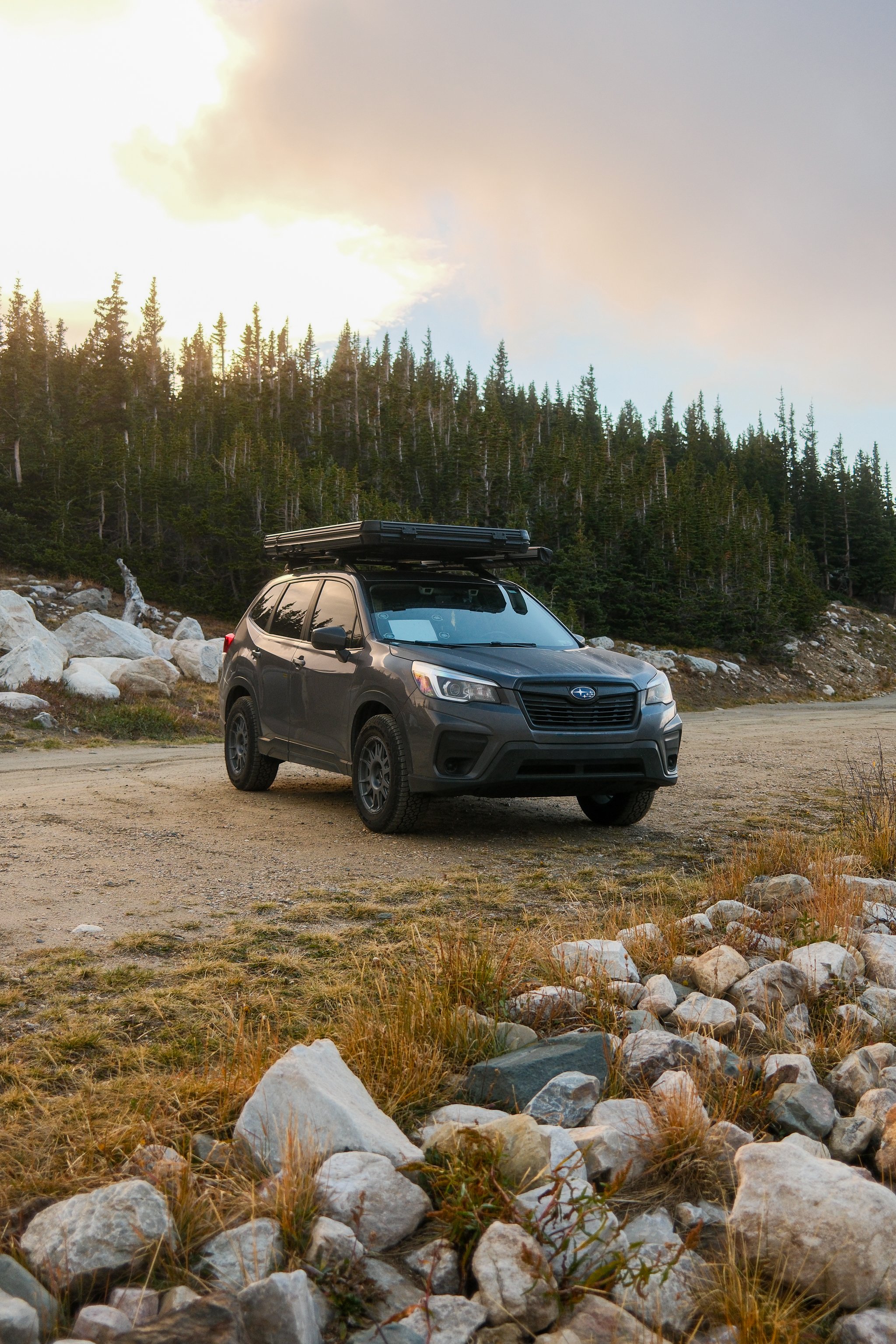
Preparing to leave Medicine Bow-Routt National Forest.
From Sugarloaf Campground, the remaining drive to Denver was only a couple of hours. Compared with the previous two days, it was mostly uneventful.
That was probably for the best.
This trip reminded me that the return drive doesn’t have to be the part you rush through. A grassy field in Idaho, a questionable steak taco, an empty Wyoming campground at sunset, and one sleepless night in the wind turned the route home into its own road trip.
Once back in Denver, I had just enough time for a quick reset before packing everything again. The next destination was California, where I planned to meet friends and camp at Alabama Hills.
But first, I needed some sleep.